
Procreate Fabric & Textile Brushes
Explore Procreate fabric and textile brushes for cloth textures, woven surfaces, denim, linen, knitting, stitching, clothing, costume design, upholstery, fashion illustration, and tactile digital artwork at Brushes Pack.
Build cloth with texture, structure, stitching, and material character.
Different fabrics respond differently to light, folds, tension, edges, and wear. A flexible textile toolkit helps separate the material itself from the form of the object wearing it.
Woven Fabric Brushes
Create visible warp-and-weft texture for linen, canvas, cotton, upholstery, clothing, bags, interiors, and tactile surfaces.
Denim Brushes
Build dense diagonal texture, jeans, jackets, workwear, seams, faded surfaces, worn areas, and casual fashion details.
Knitting Brushes
Add knitted loops, yarn texture, sweaters, scarves, blankets, handmade garments, cozy accessories, and textile patterns.
Stitch Brushes
Create seams, running stitches, decorative stitching, garment construction, patchwork, edging, and handmade details.
Embroidery Details
Add decorative thread, stitched motifs, ornamental clothing, textile embellishment, handmade designs, and costume accents.
Soft Cloth Texture
Support cotton, fleece, soft garments, blankets, drapery, upholstery, fabric folds, and understated textile grain.
Silk & Satin Effects
Use smoother marks and controlled highlights for reflective fabrics, dresses, ribbons, elegant clothing, and polished material.
Patchwork Brushes
Create patches, seams, repaired clothing, quilts, layered textiles, handmade surfaces, and stylized costume details.
Fabric Grain Brushes
Add subtle fiber breakup, roughness, wear, print texture, textile noise, and surface variation without overpowering form.
Texture should follow the cloth—not flatten it.
Fabric becomes convincing when weave direction, folds, tension, light, thickness, and surface texture describe the same three-dimensional form.
Build the Fold
Establish the garment or cloth volume before introducing small textile texture.
Choose the Fabric
Decide whether the surface is denim, linen, cotton, knit, silk, canvas, or another material.
Follow the Surface
Allow weave, seams, patterns, and stitches to bend with perspective and the changing cloth plane.
Add Wear & Detail
Introduce selected fibers, fraying, seams, highlights, fading, stitching, and material imperfections.
Explore connected textile and texture resources.
Use these clickable paths to explore fabric-oriented brushes alongside texture, pattern, character, painting, and broader Procreate resources.
Explore Procreate Fabric & Textile Resources.
Browse Procreate brush sets that can support fabric texture, cloth, stitching, clothing, fashion illustration, woven surfaces, knitting, patterns, and tactile digital artwork.

Clothing & Accessories Brushes for Procreate
Sold by Sandra Winther Art
173 Editable T-shirts BUNDLE
Sold by Creative Fabrica
Character Builder Brushes Clothing Vol I
Sold by Creative Fabrica
20 Decor Brushes for Procreate
Sold by Biso Studio
Beauty Brushes for Procreate
Sold by Biso Studio
Decor Brushes for Procreate Vol. 2
Sold by Biso Studio
100 Retro Flower Ornaments
Sold by Xresch

Clothing Fabric Pattern Procreate Brush
Sold by Pawsitively Aesthetic

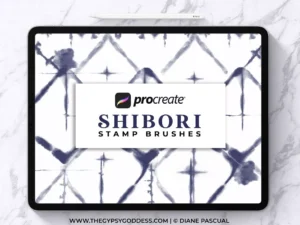
Shibori Pattern Brushes for Procreate
Sold by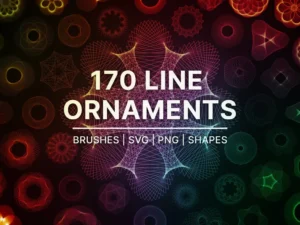
170 Procreate Line Ornaments
Sold by XreschRender the garment first. Weave the surface into it second.
Silhouette
Establish the garment, drapery, furniture, accessory, or textile object’s overall shape.
Fold
Define compression, hanging folds, stretching, bunching, gravity, and tension before surface detail.
Material
Choose a textile character such as denim, linen, cotton, silk, knit, canvas, or rough woven cloth.
Texture
Apply fiber and weave direction according to perspective, form, scale, and distance from the viewer.
Finish
Add seams, stitching, fraying, wear, highlights, print details, patches, and selected tactile accents.
The material changes how folds, highlights, and texture behave.
Keep the weave proportional
A texture that is too large can make clothing look miniature, while an extremely fine weave may disappear at normal viewing distance.
Texture follows perspective
Weave, stitching, prints, and seams should turn with the cloth plane instead of remaining flat across every fold.
Not every fabric reflects light equally
Silk and satin can produce stronger highlights than rough cotton, linen, denim, or canvas, so texture and lighting should work together.
Texture does not need equal detail everywhere
Keep the strongest textile detail near focal areas while simplifying distant or shadowed fabric to preserve hierarchy.
Use textile brushes far beyond a simple piece of clothing.
Fashion Illustration
Render dresses, jackets, denim, knitwear, accessories, runway concepts, textile studies, and clothing collections.
Character Costumes
Give fantasy, modern, historical, or sci-fi characters more believable clothing through material-specific surfaces.
Upholstery & Decor
Create sofas, cushions, curtains, rugs, bedding, textile panels, furniture fabric, and decorative interior surfaces.
Knitting & Handmade Art
Build yarn, sweaters, blankets, handmade products, craft illustrations, knitted surfaces, and cozy textile artwork.
Patterns & Prints
Combine textile texture with repeating motifs, printed cloth, decorative patterns, fashion graphics, and surface design.
Material Studies
Explore worn uniforms, rugged canvas, futuristic fabrics, fantasy robes, historical clothing, and costume-development studies.
Procreate Fabric and Textile Brushes for Digital Art
Procreate fabric and textile brushes can help artists create woven surfaces, cloth texture, denim, linen, knitting, stitching, canvas, clothing, upholstery, fashion details, and tactile material effects.
They are useful when a digital illustration requires recognizable textile character without manually drawing every individual fiber or repeated weave.
Brushes Pack carries Procreate brush sets and broader texture and grain brushes that can support textile-focused artwork.
What Are Procreate Fabric Brushes?
Fabric brushes are digital tools designed to reproduce or suggest visual characteristics associated with cloth. Depending on the brush set, this may include woven grain, fibers, stitching, knitted patterns, seams, rough textile texture, or specialized material effects.
The live Brushes Pack catalog includes Fabric Brushes for Procreate, confirming dedicated fabric-oriented resources within the store.
Procreate Textile Brushes
Textile is a broad category covering woven, knitted, printed, stitched, and otherwise constructed materials. This makes textile brushes useful across fashion illustration, character art, concept design, interiors, crafts, and surface design.
A textile brush should normally support the underlying form rather than replace it. Build folds and volume first, then introduce the material’s smaller surface information.
Fabric Texture Brushes for Procreate
Fabric texture brushes can accelerate repetitive details such as fiber, weave, roughness, thread, grain, and small surface irregularities.
For broader material rendering, combine fabric tools with Procreate texture and grain brushes.
How to Paint Fabric in Procreate
Start by identifying how gravity and tension affect the cloth. Fabric hanging from one point behaves differently from fabric stretched between two points or compressed around a bent joint.
Establish these larger folds before introducing weave texture. Otherwise, a detailed surface can still appear flat.
Procreate Brushes for Clothing
Clothing illustration combines anatomy, garment construction, folds, seams, material, lighting, and design. Specialized fabric brushes can help distinguish a denim jacket from a silk dress or knitted sweater.
For broader figure and costume workflows, combine textile resources with Procreate character design brushes.
Denim Brushes for Procreate
Denim has a recognizable dense woven appearance and often includes seams, fading, stitching, worn edges, and changes in texture around stress areas.
Avoid covering the entire garment with identical detail. Stronger texture around focal or illuminated areas can preserve the larger clothing form.
Knitting Brushes for Procreate
Knitted materials use repeated loop structures that can be time-consuming to draw individually. Brush-based texture can accelerate sweaters, scarves, hats, blankets, yarn products, and handmade illustrations.
The Brushes Pack catalog also includes seamless knitting patterns among its Procreate brush inventory.
Linen and Canvas Texture
Linen and canvas often benefit from restrained woven grain. Their roughness can be useful for clothing, bags, upholstery, backgrounds, painted surfaces, and handmade visual styles.
Keep the texture scale consistent with the object and viewing distance so the surface remains believable.
Silk and Satin in Procreate
Smooth reflective fabrics are defined less by coarse grain and more by strong value transitions and controlled highlights across folds.
Use texture subtly and allow lighting to communicate the smooth material character.
Stitch Brushes for Procreate
Stitch brushes can help create garment seams, decorative sewing, patchwork, embroidery-inspired details, craft illustrations, and handmade edges.
Stitch direction should follow the construction and perspective of the object. Evenly sized stitches across sharply turning surfaces can make the result feel flat.
Fabric Brushes for Fashion Illustration
Fashion artists can use textile brushes to distinguish materials quickly during garment concepts and final rendering. Denim, knitwear, cotton, silk, canvas, and patterned cloth can each contribute different visual character.
Combine texture with confident drawing and painting rather than allowing material detail to dominate the garment silhouette.
Fabric Brushes for Character Design
Material choices can communicate personality, occupation, era, environment, wealth, culture, and story. Rough cloth may suggest a different character history from polished silk or technical synthetic fabric.
This makes fabric rendering valuable not only for realism but also for visual storytelling.
Textile Patterns in Procreate
Printed or woven patterns can be combined with fabric texture to create richer clothing and surface designs. Pattern scale and distortion should follow folds and perspective.
Explore Procreate pattern brushes for complementary repeating designs.
Using Fabric Texture Without Flattening Folds
A common problem occurs when one uniform texture layer is placed over the entire garment. The texture may remain visually flat even while the clothing underneath contains curved folds.
Distort, erase, mask, repaint, or selectively apply texture so its direction and visibility support the underlying planes.
Adding Wear and Age to Fabric
Used textiles can contain faded areas, rough edges, loose fibers, fraying, damaged seams, patches, dirt, or irregular texture.
These details are most effective when connected to believable use. Stress areas, edges, knees, elbows, pockets, cuffs, and contact points may show different wear from protected surfaces.
Fabric Brushes for Interior Illustration
Textile brushes are also useful for furniture, curtains, cushions, bedding, rugs, upholstered surfaces, and decorative fabrics.
In interior artwork, keep texture detail proportional to scene depth so distant furniture does not become visually busier than foreground objects.
Combining Fabric Brushes with Digital Painting
General painting brushes remain useful for the large shapes, folds, values, color, shadows, and highlights underneath textile texture.
Explore Procreate digital painting brushes for broader rendering tools.
How to Choose Procreate Fabric Brushes
Choose according to the materials you draw most often. Fashion artists may want several fabric families, while character artists might prioritize versatile cloth, denim, leather-like texture, stitching, and decorative surfaces.
Surface designers may prefer pattern-oriented tools, while illustrators creating crafts or cozy scenes may benefit from knitting and handmade textile effects.
Always review individual Brushes Pack product pages for exact included brushes, file formats, compatibility, installation information, and creator-specific details.
Build a Textile Illustration Toolkit at Brushes Pack
A flexible textile toolkit can combine fabric brushes, texture and grain, patterns, stamps, digital painting tools, character resources, and specialized material brushes.
Use texture to describe material while keeping form, folds, lighting, perspective, and design as the foundation of the illustration.
Continue exploring digital brushes or browse the wider Procreate collection at Brushes Pack.
Procreate Fabric & Textile Brushes FAQ
What are Procreate fabric brushes?
They are digital brushes designed to help create fabric-related surfaces such as woven texture, cloth grain, knitting, stitching, fibers, seams, and textile details.
Can I use fabric brushes for clothing illustration?
Yes. Fabric brushes can help distinguish materials across dresses, jackets, denim, knitwear, costumes, accessories, and other clothing.
Can textile brushes be used for fashion design?
Yes. They can support garment concepts, material studies, fashion illustration, textile visualization, prints, and final clothing rendering.
How should I apply fabric texture to folds?
Establish the fold first, then allow the texture direction, scale, and distortion to follow the changing cloth surface and perspective.
Can fabric brushes create denim?
Suitable texture brushes can support denim weave, fading, seams, worn areas, and stitching when combined with appropriate painting and lighting.
Are textile brushes useful outside clothing?
Yes. They can be used for upholstery, curtains, cushions, rugs, blankets, bags, crafts, interiors, textile products, and decorative surfaces.
What works well with fabric brushes?
Texture, pattern, stamp, digital painting, character design, and line-art brushes can all complement textile workflows.
Where can I find more Procreate textures?
Brushes Pack includes focused collections for texture and grain, patterns, painting, stamps, character art, and broader Procreate resources.
Good textile rendering begins underneath the texture.
I would solve the folds before adding the weave. If the large cloth form is convincing, even a restrained texture can communicate the material clearly.
Fabric Form NotesI would check the scale of the textile texture carefully. Oversized fibers can change the apparent size of the entire garment.
Material Scale NotesI would keep the sharpest stitching and weave near important areas rather than giving every fold the same level of surface detail.
Textile Detail NotesBuild a complete material and clothing workflow.
Give every garment and surface its own material identity.
Explore Procreate fabric and textile resources for cloth texture, clothing, denim, woven surfaces, stitching, knitting, fashion illustration, costumes, and tactile digital artwork at Brushes Pack.