
Procreate Concrete & Cement Texture Brushes
Explore Procreate concrete brushes for cement textures, rough walls, pavement, architectural surfaces, urban environments, distressed materials, industrial artwork, concept art, backgrounds, and realistic surface rendering at Brushes Pack.
Build believable walls, floors, pavement, architectural surfaces, industrial materials, and urban environments.
Concrete is rarely one flat gray surface. Aggregate, pores, stains, cracks, casting marks, weathering, discoloration, roughness, repairs, and edge damage can all contribute to its visual character.
Rough Concrete Brushes
Create irregular grain, aggregate, pores, worn areas, coarse surfaces, construction texture, and aged concrete character.
Smooth Cement Brushes
Build subtler plaster-like cement surfaces, polished walls, fine grain, soft mottling, and controlled architectural finishes.
Concrete Wall Brushes
Render building walls, barriers, interiors, exterior structures, foundations, tunnels, industrial spaces, and urban backgrounds.
Crack & Damage Details
Add fractures, chipped edges, broken areas, surface aging, weather damage, distress, and environmental storytelling.
Pavement Brushes
Create sidewalks, plazas, roadsides, concrete floors, urban ground planes, exterior surfaces, and environmental textures.
Industrial Texture Brushes
Combine concrete with grime, stains, rust-adjacent marks, scratches, dust, paint residue, and construction wear.
Architecture Brushes
Use concrete textures on buildings, walls, structures, interiors, floor plans, urban concepts, and architectural illustrations.
Environment Art Brushes
Add material variation to streets, ruins, cities, industrial environments, sci-fi structures, backgrounds, and concept paintings.
Abstract Concrete Texture
Use concrete marks for posters, typography, collage, branding concepts, editorial graphics, backgrounds, and mixed-media artwork.
Texture should describe the surface without flattening the form underneath it.
Use concrete detail according to distance, lighting, scale, age, construction method, and the role the material plays in the scene.
Match the Texture
Pores and aggregate should feel appropriate to the size of the wall, object, floor, or structure being rendered.
Preserve the Form
Keep large light and shadow relationships readable before introducing dense surface variation.
Place Damage Logically
Edges, joints, exposed surfaces, traffic areas, moisture zones, and contact points often deserve more wear than protected areas.
Avoid Uniform Noise
Concrete feels more believable when texture density, staining, cracks, and roughness vary across the surface.
Explore concrete, architecture, stone, texture, grunge, metal, and environment resources.
Connect concrete rendering with existing Brushes Pack pages for architecture, stone, texture, grunge, metal, wood, digital painting, and environmental artwork.
Explore Procreate Concrete & Cement Texture Brushes.
Browse Procreate resources for concrete surfaces, cement, architecture, texture, urban environments, rough materials, pavement, walls, industrial artwork, and surface rendering.

Gritty Graphite Brushes for Procreate
Sold by Warm Cozy Cottage Shop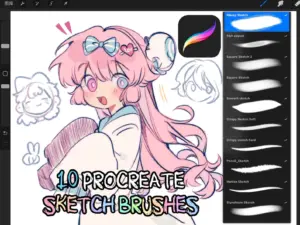
10 Procreate Sketch Brushes
Sold by Kiriato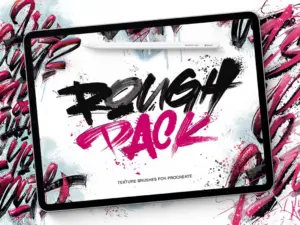
Rough Pack – Brushes For Procreate
Sold by Snooze One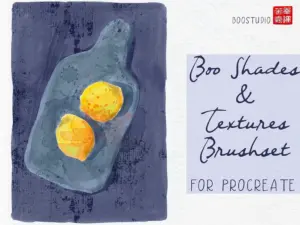
Procreate Texture and Stamp Brushes
Sold by BooStudio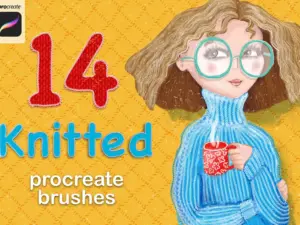
Knitted patterns. Procreate brushes
Sold by Irina Matiash
Geometric Patterns 200 for Procreate
Sold by
Knitted seamless Procreate brushes
Sold by
170 Procreate Line Ornaments
Sold by Xresch
Splashy Brush: 20 Procreate Brushes for Beginners
Sold by strike side
Sketcher – 20 Procreate Brush Set
Sold by strike side
Paint Draw – 20 Procreate Brushes
Sold by strike side
Ink Draw – 35 Procreate Brushes for Illustrator
Sold by strike side
PaintBox – Professional Brush Set for Procreate
Sold by roddlopes
Watercolour Poinsettia Toolkit for Procreate
Sold by mini trezo design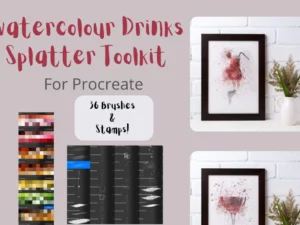
Watercolour Drinks Splatter Toolkit
Sold by mini trezo design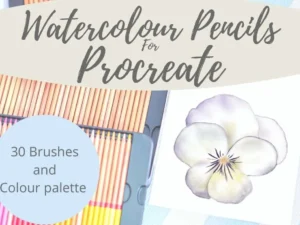
Watercolour Pencils Procreate Brushes
Sold by mini trezo design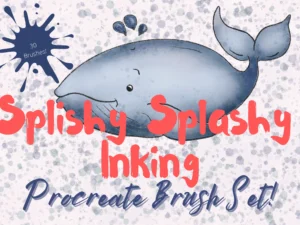
Splishy Splashy Ink Brush Set X 30
Sold by mini trezo design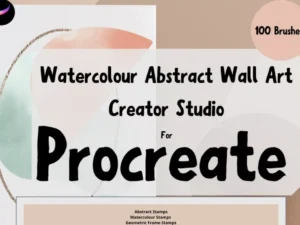
Watercolor Abstract Wall Art Print Studio
Sold by mini trezo design
Magic Toadstool Watercolour Brush Set
Sold by mini trezo design
Pastel Studio – Pastel Brushes & Paper Brushes
Sold by mini trezo design
Amazing Watercolor Painting Kit for Procreate
Sold by
Procreate Watercolor Mandala Stamp Brushes
Sold by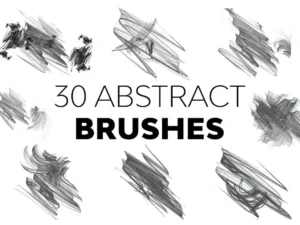
Abstract Brush Strokes Brushes
Sold by Unic Design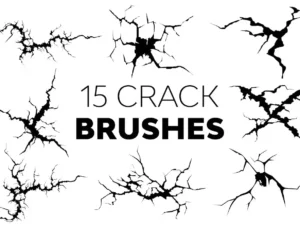
Build the structure first, then layer concrete character according to scale and lighting.
Form
Establish the wall, floor, building, object, or environment with clear perspective and major shapes.
Value
Define the main lighting, planes, cast shadows, depth, and large material transitions before adding texture.
Surface
Add pores, aggregate, grain, mottling, cement variation, stains, and construction marks at an appropriate scale.
Wear
Introduce cracks, chips, grime, weathering, edge damage, discoloration, repairs, and environmental history.
Integrate
Reduce excessive texture, reinforce focal details, adjust contrast, and make sure lighting still controls the material.
Before you start texturing, decide what kind of concrete you are trying to represent.
Concrete is not one texture
Cast concrete, polished cement, rough exterior walls, old pavement, unfinished construction, and weathered structures can all require different marks.
Texture size matters
Oversized grain can make a large building look miniature, while extremely fine texture may disappear when an environment is viewed from a distance.
Think about exposure
Water, dirt, foot traffic, impact, age, construction joints, repairs, and surrounding materials can influence where wear appears.
Texture follows the form
Surface detail should not erase major shadows and plane changes. Lighting remains more important than individual pores or cracks.
Concrete brushes can support architecture, concept art, urban illustration, interiors, backgrounds, and graphic design.
Buildings & Structures
Render walls, foundations, facades, structural forms, barriers, modern architecture, and construction surfaces.
Urban Scenes
Create streets, sidewalks, alleys, industrial environments, city backgrounds, tunnels, ruins, and constructed landscapes.
Concrete Interiors
Explore concrete floors, walls, countertops, architectural finishes, modern spaces, and material presentation concepts.
Sci-Fi & Industrial
Use concrete textures on bunkers, facilities, abandoned buildings, megastructures, industrial scenes, and dystopian environments.
Concrete Backgrounds
Build rough surfaces behind typography, posters, album artwork, branding concepts, editorial graphics, and collage compositions.
Material Studies
Practice surface rendering by comparing smooth cement, rough concrete, stone, brick, metal, wood, and other architectural materials.
Procreate Concrete Brushes
Procreate concrete brushes can help digital artists create rough cement surfaces, architectural walls, pavement, urban environments, industrial textures, worn materials, backgrounds, concept art, and realistic surface studies.
Brushes Pack carries dedicated Procreate concrete products, including an 80-brush collection and a separate Concrete Procreate Set.
80 Concrete Procreate Brushes
The Brushes Pack Procreate Set collection includes a dedicated 80 Concrete Procreate Brushes product. A larger brush library can be useful when artists need enough variation to avoid repeating one identical concrete texture across an entire environment.
Different brush forms can be layered selectively for roughness, mottling, worn surfaces, architectural material, and environmental variation.
Concrete Procreate Set
A separate Concrete Procreate Set also appears in the same live Brushes Pack collection, providing another dedicated resource for artists working with concrete-oriented surfaces.
Review individual product pages before purchase for exact contents, compatibility, file information, and creator-specific instructions.
Concrete Texture Brushes for Procreate
Concrete texture brushes are useful when manually painting thousands of small pores, stains, aggregate marks, and surface imperfections would consume unnecessary time.
Apply texture selectively instead of covering every surface with equal density.
Cement Brushes for Procreate
Cement-oriented surfaces can be smoother and more restrained than aggressively weathered concrete. Fine mottling, subtle grain, tonal variation, and gentle irregularity may be enough for modern architectural finishes.
Start subtle and increase roughness only where the material or scene requires it.
Concrete Wall Brushes for Procreate
Concrete wall textures can support architectural illustration, interiors, city scenes, industrial artwork, environmental concepts, and background design.
Keep perspective and lighting established before introducing cracks or detailed surface marks.
Concrete Brushes for Architecture
Architectural illustration benefits from material separation. Concrete should feel different from wood, glass, metal, brick, stone, and vegetation even when the artwork is stylized.
Explore Procreate architecture and building brushes.
Concrete Brushes for Interior Design
Concrete and cement finishes can appear on walls, floors, countertops, structural elements, decorative panels, and modern interior surfaces.
Use restrained texture when the purpose of the image is to communicate the overall design rather than showcase every surface imperfection.
Explore Procreate interior design and floor plan brushes.
Concrete Brushes for Environment Art
Environment artists can use concrete brushes for cities, abandoned buildings, tunnels, industrial sites, roadsides, ruins, sci-fi structures, military-style architecture, and modern constructed environments.
Texture variation can help large surfaces avoid looking digitally empty.
Explore Procreate landscape and environment brushes.
Concrete Pavement Brushes
Pavement and concrete ground surfaces can include seams, cracks, patches, stains, discoloration, aggregate, dirt accumulation, and edge damage.
Remember that ground texture changes in apparent scale as it moves farther from the viewer.
Concrete Crack Brushes
Cracks can add age and storytelling, but random cracks everywhere can make the surface feel artificial.
Place stronger damage where stress, impact, weather, construction joints, or environmental exposure make sense within the scene.
Weathered Concrete in Procreate
Weathering can include darker moisture areas, faded sections, stains, chipped corners, exposed aggregate, dirt, repairs, cracks, paint residue, and subtle color variation.
Layer several understated effects rather than relying on one extremely strong distressed texture.
Concrete and Grunge Brushes
Grunge resources can complement concrete when the scene needs dirt, distress, scratches, stains, worn paint, rough edges, or an aged graphic treatment.
Explore Procreate grunge and distressed brushes.
Concrete and Stone Textures
Concrete and natural stone may share rough visual qualities, but their structures differ. Concrete can show casting, aggregate, seams, repairs, and construction marks, while stone often follows geological patterns.
Explore Procreate stone, rock and marble brushes.
Concrete and Metal Materials
Industrial environments often combine concrete with steel, painted metal, pipes, structural hardware, rust, machinery, and architectural fixtures.
Contrasting matte concrete with harder metallic edges can help materials separate visually.
Explore Procreate metal and rust texture brushes.
Concrete and Wood Materials
Concrete and wood create useful material contrast in architectural and interior artwork. Concrete may feel mineral and heavy, while wood introduces directional grain and warmer organic variation.
Explore Procreate wood texture and grain brushes.
Concrete Texture and Grain Brushes
General texture brushes can help break up perfectly smooth digital surfaces before more specific concrete marks are introduced.
Subtle grain can also help unify painted material, shadows, and detailed texture.
Explore Procreate texture and grain brushes.
How to Paint Concrete in Procreate
Begin with the base value and large lighting relationships. Add broad color and tonal variation before applying fine texture.
Next introduce medium-scale mottling, stains, or casting marks. Reserve tiny pores, chips, cracks, and aggregate for selected areas where they will actually be visible.
How to Make Concrete Look Realistic
Realism depends on more than adding noise. Think about the material’s scale, construction, age, moisture exposure, surrounding environment, lighting, and how close the viewer is to the surface.
A distant building may need only broad tonal variation, while a close-up wall can support much finer detail.
How to Texture Large Concrete Walls
Avoid applying one brush at one scale across the entire wall. Combine large tonal variation, medium stains and mottling, and smaller surface detail.
Reduce texture in less important areas so focal points remain controlled.
Concrete Brushes for Urban Illustration
Urban illustration can use concrete textures for buildings, sidewalks, barriers, bridges, parking structures, plazas, walls, rooftops, and infrastructure.
Combine concrete with vegetation, signage, windows, metal, brick, road markings, and environmental wear for more complete scenes.
Concrete Brushes for Concept Art
Concept artists can use concrete resources to accelerate material rendering while focusing more time on design, composition, lighting, atmosphere, and storytelling.
They can be especially useful for industrial, post-apocalyptic, modern urban, sci-fi, and architectural environments.
Concrete Backgrounds for Graphic Design
Concrete texture can provide a restrained or distressed background for typography, posters, promotional graphics, album-style artwork, editorial design, and branding concepts.
Lower texture contrast behind important text to preserve readability.
Concrete Texture for Typography
Concrete can be clipped inside lettering or placed behind typography to create industrial, architectural, urban, distressed, or tactile visual treatments.
Use enough contrast between the text and material so the words remain clear at smaller sizes.
Working with Concrete Brushes on Separate Layers
Separate layers make it easier to reduce opacity, erase repetitive marks, recolor stains, change blending, transform texture, mask surfaces, and preserve the underlying lighting.
This is particularly useful for architectural and concept-art workflows where materials may need revision.
How to Avoid Repetitive Concrete Texture
Change brush size, rotate or transform texture where appropriate, combine several brushes, erase repeated shapes, vary opacity, and leave some surfaces comparatively quiet.
The goal is controlled irregularity rather than maximum texture everywhere.
How to Choose Procreate Concrete Brushes
Choose according to the surfaces you create most often. Architecture and environment artists may benefit from broad texture variety, while graphic designers may prefer stronger distressed or background-oriented concrete marks.
Interior artists may want subtler cement finishes that do not overpower furniture, lighting, and spatial design.
Build a Material Rendering Toolkit at Brushes Pack
A flexible Procreate material toolkit can combine concrete, stone, brick-like textures, wood, metal, rust, fabric, glass, grunge, grain, architecture, and general painting brushes.
Specialized brushes can accelerate surface rendering, while perspective, lighting, scale, material logic, edge control, and selective detail make the final artwork convincing.
Continue exploring Procreate brushes and digital assets at Brushes Pack.
Procreate Concrete & Cement Texture Brushes FAQ
What are Procreate concrete brushes?
They are digital brushes designed to help create concrete, cement, wall, pavement, architectural, urban, industrial, and related surface textures in Procreate.
Does Brushes Pack have dedicated concrete brushes?
Yes. The Brushes Pack catalog includes dedicated Procreate concrete resources, including an 80-brush collection and a Concrete Procreate Set.
Can concrete brushes be used for architecture?
Yes. They can support walls, floors, facades, structural elements, interiors, exteriors, urban scenes, and architectural concept artwork.
Can I use concrete brushes for environment art?
Yes. Concrete textures are useful for cities, industrial environments, ruins, tunnels, streets, sci-fi structures, and constructed landscapes.
How do I make digital concrete look realistic?
Match texture scale to the object, preserve lighting, vary roughness, place wear logically, and combine broad tonal variation with selective fine detail.
What brushes work well with concrete?
Stone, grunge, texture, grain, metal, rust, wood, architecture, environment, and digital-painting brushes can complement concrete surfaces.
Should I texture the entire wall equally?
Usually no. Vary texture density and preserve quieter areas so the surface feels natural and important focal points remain readable.
What should I check before buying a concrete brush set?
Review the individual product page for exact contents, Procreate compatibility, file information, examples, installation details, and creator-specific instructions.
Concrete becomes believable when texture supports construction, scale, lighting, and environmental history.
I would check the scene from a distance before adding tiny concrete detail. If the texture reads larger than the structure itself, I would reduce its scale.
I would place stronger stains, cracks, and damage around areas where moisture, impact, traffic, exposed edges, or construction stress make sense.
I would keep the main light and shadow pattern readable even after texturing. Surface detail should describe the material, not flatten the structure.
Build a broader architecture, environment, texture, and material-rendering toolkit.
Turn flat gray surfaces into believable concrete materials.
Explore Procreate concrete and cement texture brushes for architecture, walls, pavement, urban scenes, industrial environments, concept art, backgrounds, weathering, and realistic material rendering at Brushes Pack.